05 — Publish / 05.03
Discoverability
Creating strong content is the first objective.
9 principles6 min read
Examples from
The Jet Business
@thejetbusiness
The second is helping the platforms understand what that content is about and who might be interested in it.
This matters because social platforms are increasingly becoming search engines as well as entertainment platforms.
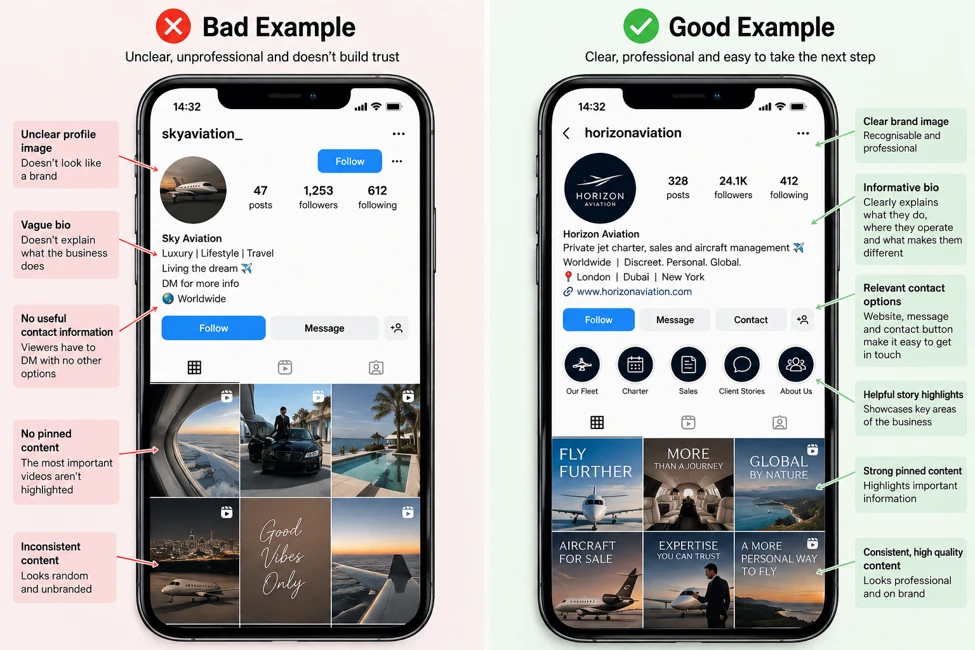
The examples here are from The Jet Business, a client whose films are on the showreel. Read them as a worked example: the principle is the same in your field, the specifics are yours.
Someone might search
- Best private jet for London to Dubai
- Gulfstream G700 range
- Bombardier Global 7500 interior
- How much does private jet maintenance cost
- What is an empty leg flight
You want your content to give the platform enough information to understand when it could be relevant to those people.
On this page / 10
- 01Teach the platform what your video is about
- 02Use the language your audience would actually search
- 03Make your keywords natural
- 04Use titles and captions to reinforce the subject
- 05Hashtags should provide context
- 06Say important terms on camera
- 07Use on screen text strategically
- 08Create content around real questions
- 09Review how people are finding you
- —The discoverability test
Teach the platform what your video is about
Platforms can analyse much more than your hashtags.
TikTok itself explains that it can identify relevance through
- Captions
- Hashtags
- What is said in the voiceover
- Text appearing within the video
YouTube also considers how closely the title, description and actual video content match what someone has searched for. This means the subject of your video should be clear across multiple signals.
Imagine your video is answering
“What is the difference between the Gulfstream G700 and Bombardier Global 7500?”
You might
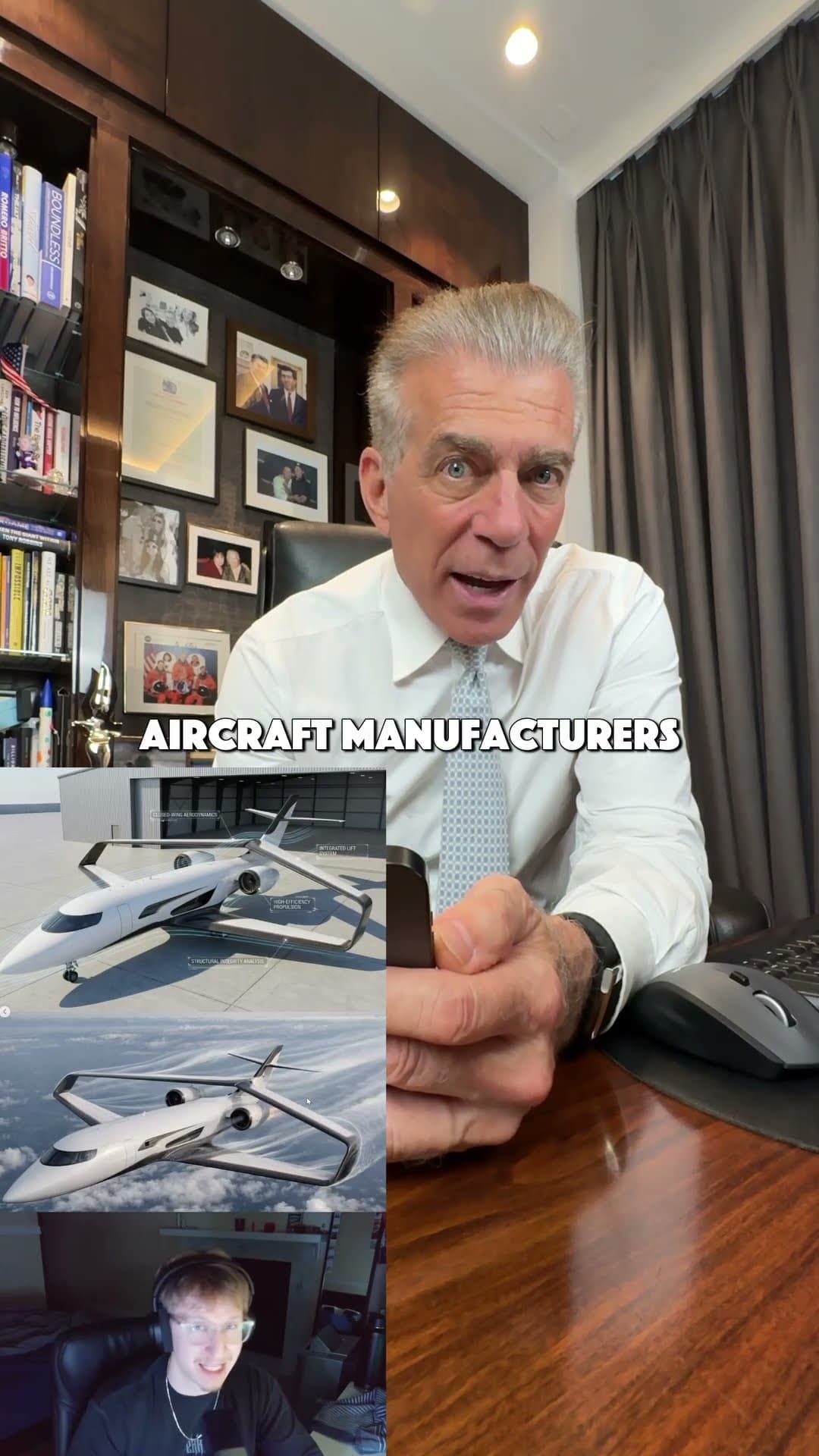
Say both aircraft names naturally in the video
Show them in the opening title
Mention them clearly in the caption
Use a relevant title
Use a small number of relevant hashtags
Now the platform receives several signals pointing towards the same subject.
Compare that with a video where
The person simply says
“These two aircraft are completely different.”
And the caption says
“Which would you choose?”
A human viewer may understand the context from the footage. The platform has much less information to work with.
The principle is simple. Make your subject obvious.
Use the language your audience would actually search
Think about how someone unfamiliar with your company would search for the information. A private aviation professional may naturally use technical terminology. The audience might not.
For example:
An industry professional might talk about:
Ultra long range business aircraft.
A potential customer might search:
Which private jet can fly from London to Los Angeles?
Both describe a similar subject. When planning educational content, think about the question the audience would actually type.
Instead of creating:
Aircraft Range Explained
you could create:
How Far Can A Private Jet Fly Without Stopping?
Instead of creating:
Cabin Configuration Differences
you could create:
Which Private Jet Has The Biggest Cabin?
Instead of creating:
Pre Owned Aircraft Acquisition Considerations
you could create:
What Should You Check Before Buying A Used Private Jet?
The expertise stays the same. The language becomes easier for the audience to find and understand.